The word modular covers two very different products. One is a permanent building made from factory-built modules, designed to stay in place for decades. The other is a relocatable building, designed to be used for a period of time and then moved to a new site or returned to a leasing company.
Both are built in factories and both arrive on trucks. But they differ in how they are designed, approved, financed, and used. Choosing the wrong one can cost an owner money and time.
What permanent modular means
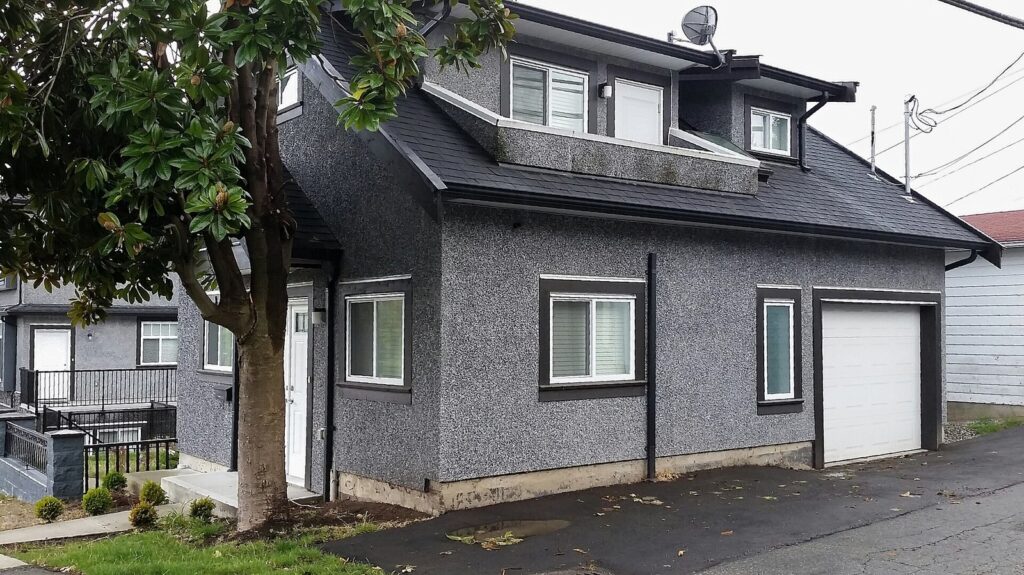
A permanent modular building is designed and built to the same building codes as a site-built structure. It sits on a permanent foundation, connects to permanent utilities, and is usually finished so that it looks like any other building. Apartments, hotels, schools, clinics, and offices are all built this way.
Once in place, a permanent modular building is treated as real property. It is taxed, insured, and financed like a site-built building of the same type.
What relocatable modular means
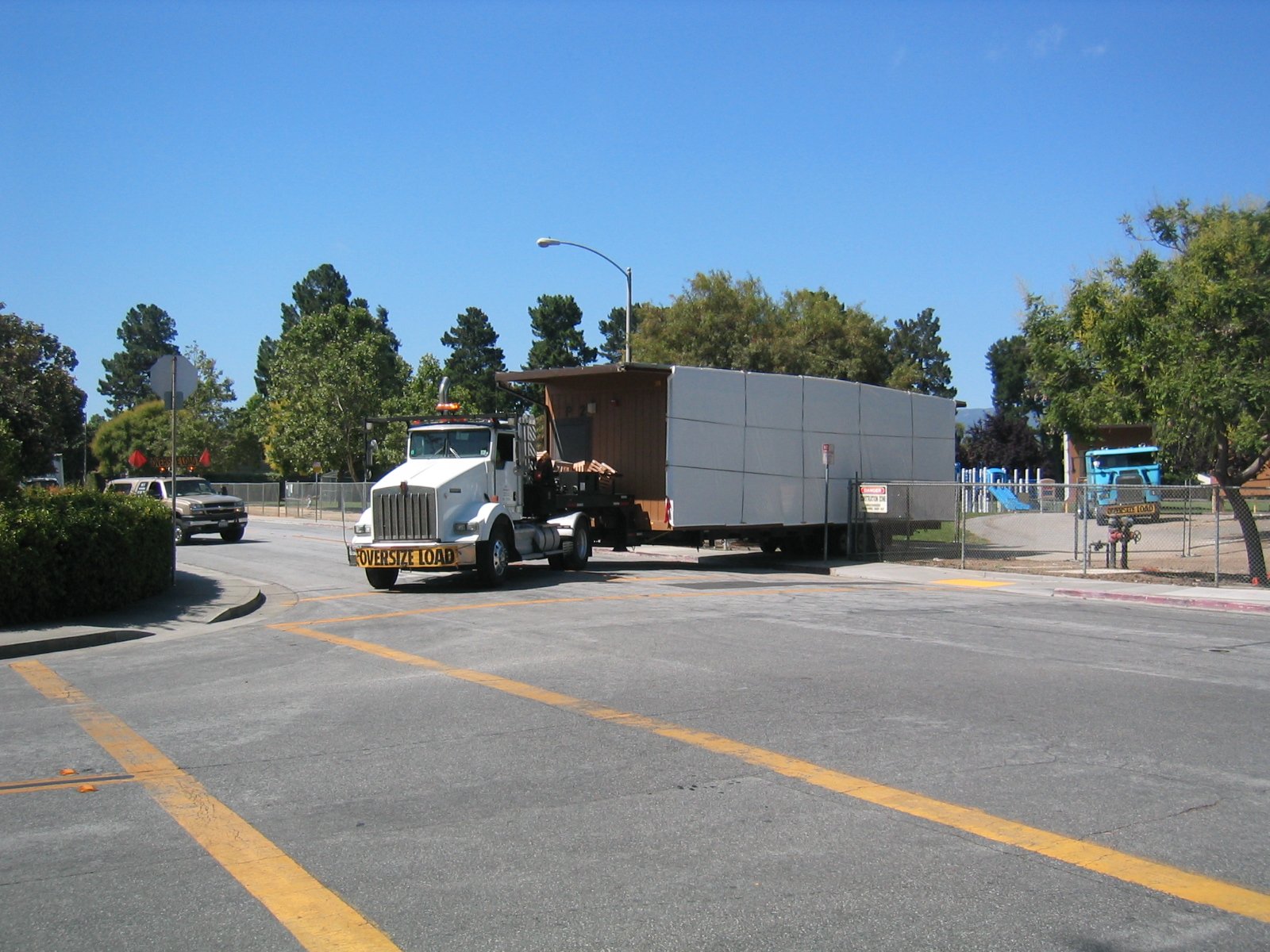
Relocatable buildings are built to be moved. They are common on construction sites, at schools needing temporary classroom space, in disaster recovery, and at remote work camps. They often sit on blocks or simple foundations and connect to utilities in ways that are easy to undo.
Many relocatable buildings are leased rather than purchased. That makes them useful when the need is short term or uncertain. Rules for relocatable buildings vary by state. Some states treat them under the same codes as permanent buildings, while others have separate programs.
Comparing cost and value
Relocatable units usually cost less up front and can be delivered quickly, especially from a leasing fleet. But leasing costs add up over time, and a temporary building that stays for many years can end up costing more than a permanent one.
Permanent modular costs more at the start, but it is built for long service, can match the look of surrounding buildings, and adds lasting value to the property. Lenders and appraisers treat it like any other permanent building.
Questions to ask before choosing
How long will you need the space? If the answer is a few years, relocatable may be the right fit. If the answer is a generation, plan for permanent.
Will the building need to blend with a campus or neighborhood? Permanent modular offers more design flexibility, including cladding, rooflines, and window choices that match nearby buildings.
What will local zoning and building officials allow? Some communities limit how long temporary buildings can remain, or require them to meet specific standards.
How will the project be funded? Capital budgets, operating budgets, and lease arrangements often favor one option over the other.
Avoid the temporary trap
A common pattern is a temporary building that becomes permanent by default. A school adds a portable classroom for a few years, and a decade later it is still in use, aging and costly to maintain. If there is a real chance the need will last, it is often better to plan for a permanent solution from the start.
Permanent and relocatable modular buildings solve different problems. Match the product to how long you need the space, how it must look, what the local rules allow, and how it will be paid for. Being clear on that choice at the start saves money and avoids the temporary building that never leaves.
Image: Germsteel, via Wikimedia Commons, CC BY-SA 4.0