Data centers are some of the most demanding buildings being built today. Owners want capacity online as fast as possible, the equipment is heavy and complex, and a single mistake in the power chain can take the whole facility down. Those same pressures make data centers one of the strongest fits for offsite and modular construction.
White space and gray space
It helps to split a data center into two parts. The white space is where the servers and network racks live. The gray space holds the infrastructure that keeps that room running, including the electrical rooms, switchgear, transformers, backup power, and the mechanical plant.
Wesco, which supplies electrical products and services for data center builds, describes the gray space as the critical connection between incoming utility power and the white space that supports IT operations. On its page about Wesco’s gray space solutions, the company describes support that runs from utility tie-in through commissioning, with product categories such as switchgear, transformers, UPS systems, busway, cable tray, and medium and low voltage distribution. The page also lists prefabrication support, kitting, installation-ready assemblies, and deployment sequencing for projects that use modular and prefabricated construction strategies.
For a builder, the gray space is where offsite methods pay off most clearly. The equipment is standardized, the layouts repeat, and the work is easier to do well on a factory floor than in a crowded electrical room.
Prefabricated power and electrical skids
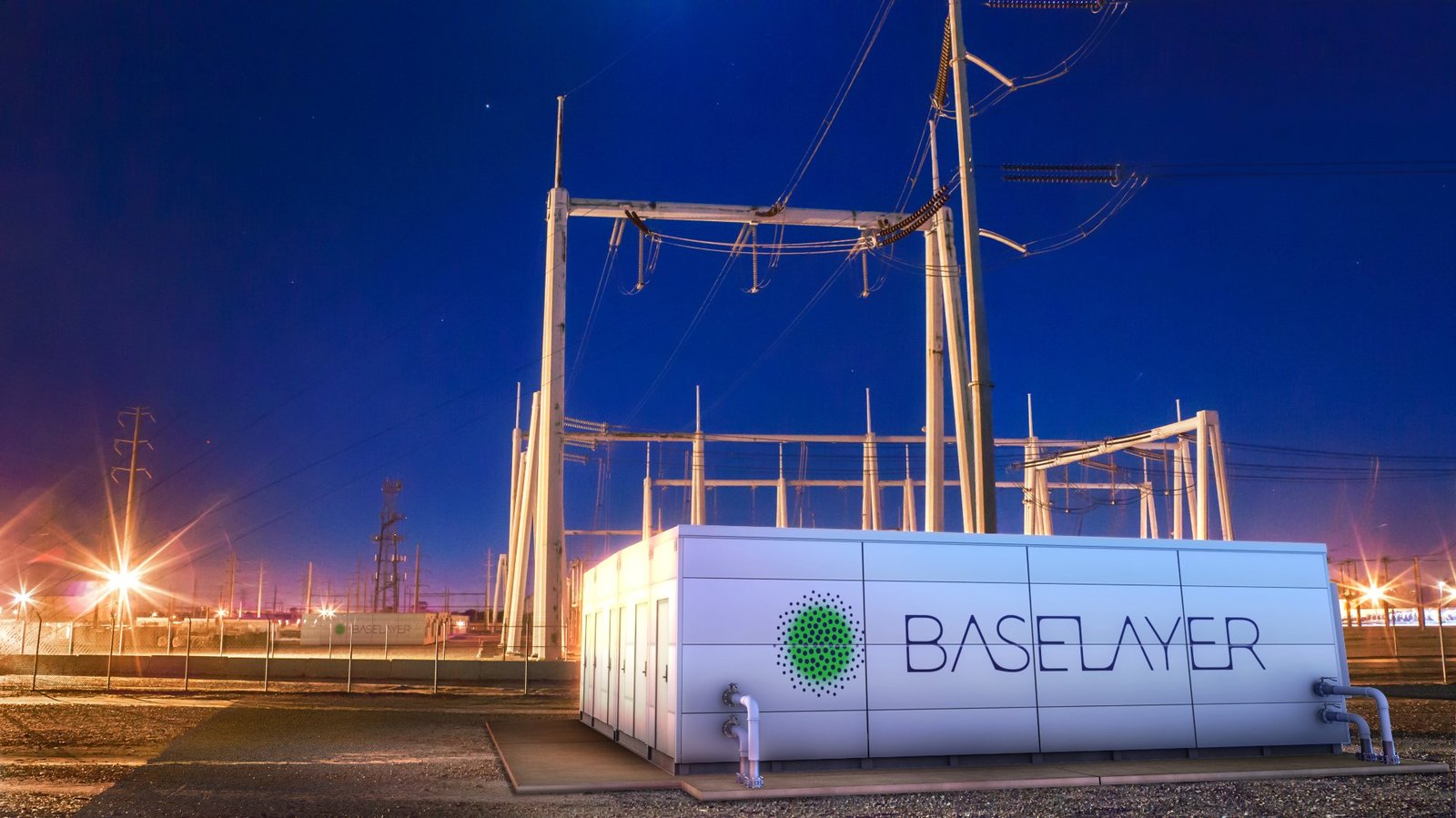
Much of the electrical scope can be built as skids or enclosures. Switchgear, transformers, distribution panels, and controls are mounted on a steel frame or inside a prefabricated housing, wired, and labeled in a shop. The finished unit ships to site and connects to the rest of the system.
This moves skilled electrical labor into a controlled setting. Crews work at bench height with the right tools, and the site sees fewer trades stacked in the same room at the same time.
Modular cooling
Cooling follows a similar path. Chillers, pumps, air handlers, and piping can be assembled into packaged plants or modules that arrive ready to connect. Piping that would take weeks to weld in place can be fabricated and pressure tested in a shop. As server densities rise, the cooling plant often grows in phases, and modular units make it easier to add capacity without rebuilding what is already there.
Speed to power
For many owners, the real deadline is the day the facility can draw power and go live. Offsite construction helps by letting equipment assembly happen while the site is still being graded and the building shell is going up. When the pad or the room is ready, the skids and modules are already waiting.
Long lead equipment still drives the schedule. Order critical gear early, lock in delivery windows, and line up the factory slots for skids and modules at the same time.
Factory testing
One of the biggest advantages is testing before shipment. Electrical skids and cooling modules can go through factory acceptance tests, where the owner’s team watches the equipment run and checks the controls. Problems found in the factory are cheaper and faster to fix than problems found during commissioning on site.
Site coordination
Modular gray space still needs a well run site. Foundations, embedded conduit, utility connections, crane access, and delivery sequencing all have to line up with the factory schedule. Agree early on who owns each connection point between modules, and map out the order in which units arrive and set.
Data centers reward builders who treat the gray space as a product to be manufactured rather than a room to be built from scratch. Plan the skids and modules early, test in the factory, and coordinate the site around delivery day.
Image: Samirshah23, via Wikimedia Commons, CC BY-SA 4.0