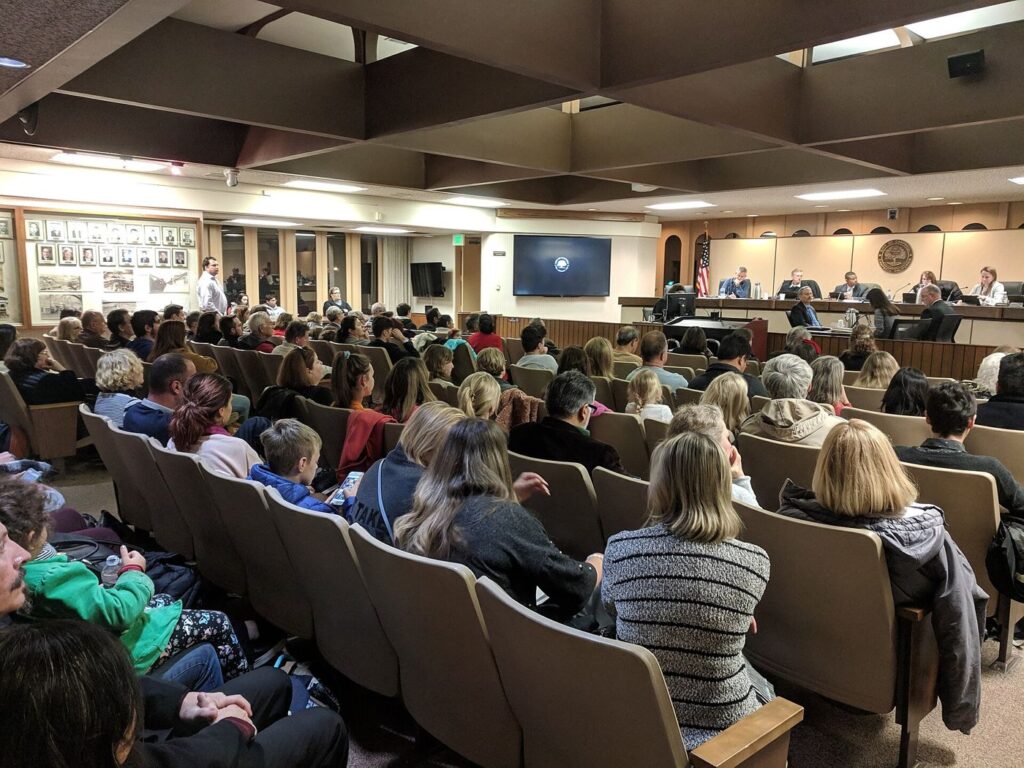
Every time you pay a bill online, stream a game, check a test result or send a work file, a data center does the work. Most people never see one. Many people only hear about them when a project shows up on a county agenda and the meeting room fills with worried neighbors.
I get why people show up. A big building is coming and they want to know what it means for their street. That is a fair question. My answer is simple. Data centers are infrastructure, the same way roads, water lines and power plants are infrastructure, and communities that plan for them well come out ahead.
What a data center actually is
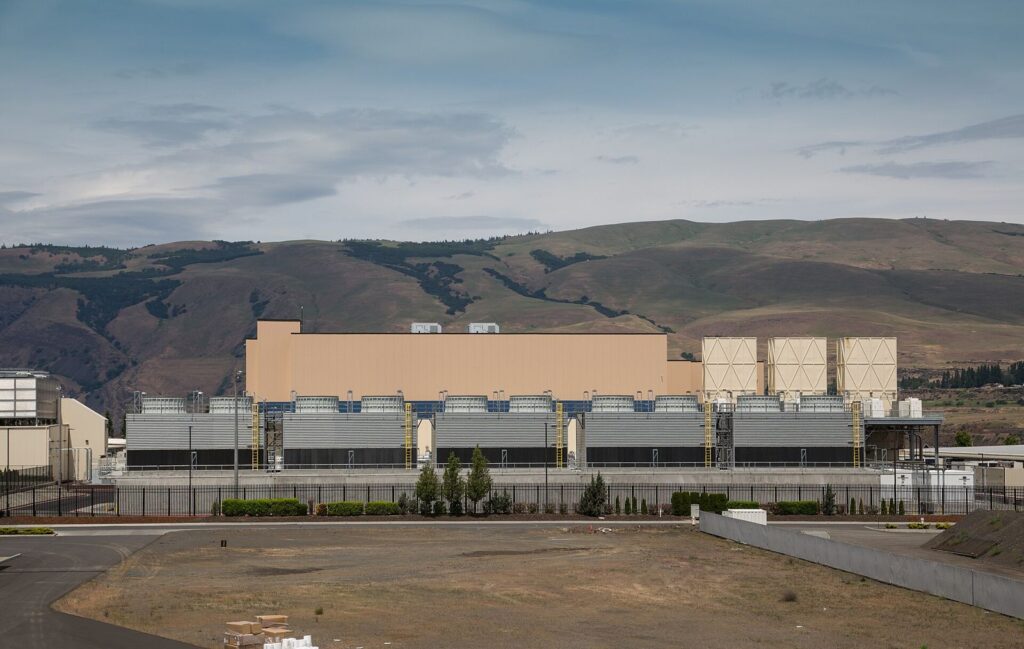
A data center is a secure building full of computers that store, process and move data. The Virginia legislature’s audit and review commission put it plainly in its 2024 study of data centers in Virginia. These facilities enable the websites, apps, email and cloud platforms people rely on every day.
That is the part that gets lost. Data centers are not some distant tech company project. They are the back end of your hospital, your bank, your school district and the small business down the road that runs its books in the cloud.
The demand is real and it is growing
Demand for this kind of computing is not slowing down. A report from Lawrence Berkeley National Laboratory released by the U.S. Department of Energy found that data centers used about 4.4 percent of total U.S. electricity in 2023. The same report projects that share could reach roughly 6.7 to 12 percent by 2028.
Those numbers tell you two things. First, the country needs more of these buildings, not fewer. Second, the communities that host them will be part of how the country meets that demand. The work is going to happen somewhere. The question is whether your town gets the investment or watches it go elsewhere.
What a community gets back
The Virginia study is one of the most detailed public looks at this industry, and it is not a sales pitch. It weighs costs and benefits. On the benefit side, it estimates the data center industry contributes about 74,000 jobs, $5.5 billion in labor income and $9.1 billion in GDP to the Virginia economy each year.
Much of that comes from construction. The study notes that a single data center building usually takes 12 to 18 months to build, with about 1,500 workers on site at the peak. That is real work for local electricians, concrete crews, steel erectors and suppliers. Once the building is running, a typical large facility may have about 50 full time workers, about half of them contractors, and those jobs tend to pay well.
Then there is the tax base. The same study found that in the five Virginia localities with mature data center markets, data center revenue ranged from less than 1 percent to 31 percent of total local revenue. That is money for schools, roads and public safety, from a land use that sends no kids to school and puts few cars on the road.
Taking concerns seriously
None of this means residents should be brushed aside. Noise, power costs, water use and siting next to homes are fair topics, and the Virginia study covers each of them. It also points to practical fixes, such as better zoning, sound studies before construction and rules on where these buildings can go.
That is the right path. Good planning answers real concerns. A blanket moratorium does not. It stops the investment, the jobs and the tax revenue, and it leaves the actual planning questions unanswered.
Where we go from here
Over the next several posts in this series, I am going to look at moratoriums, local opposition, power, water, jobs and taxes one at a time, using public sources. My goal is not to win an argument. It is to help people see this infrastructure for what it is.
If your county is weighing a data center, go to the meeting, ask hard questions and read the public studies. Then judge the project on the facts. In most cases, the facts point toward yes.
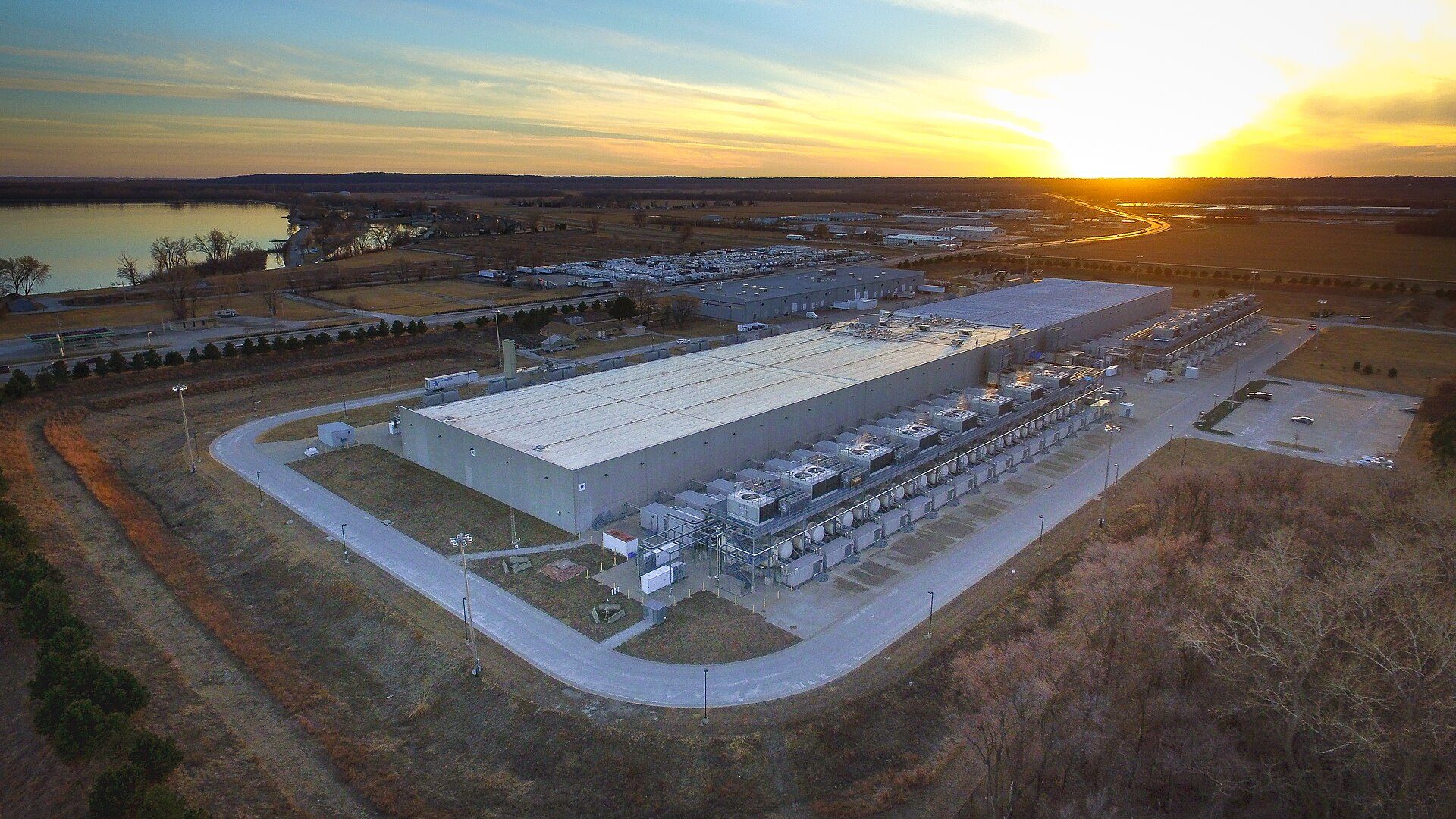
Image: “Google Data Center, Council Bluffs Iowa” by Chad Davis, via Wikimedia Commons, licensed CC BY 2.0.
#DataCenters #Infrastructure #EconomicDevelopment #LocalGovernment #CommunityImpact