When a county votes to pause data center approvals, the vote usually gets framed as caution. Take a breath, study the issue, write better rules. I understand the appeal. Nobody wants to rush a big land use decision.
But a moratorium is not free. It has a price, and the county pays it whether or not anyone writes it down. The lost revenue, construction work and follow on investment rarely make the headlines, so I want to walk through them using public figures.
The revenue that never shows up
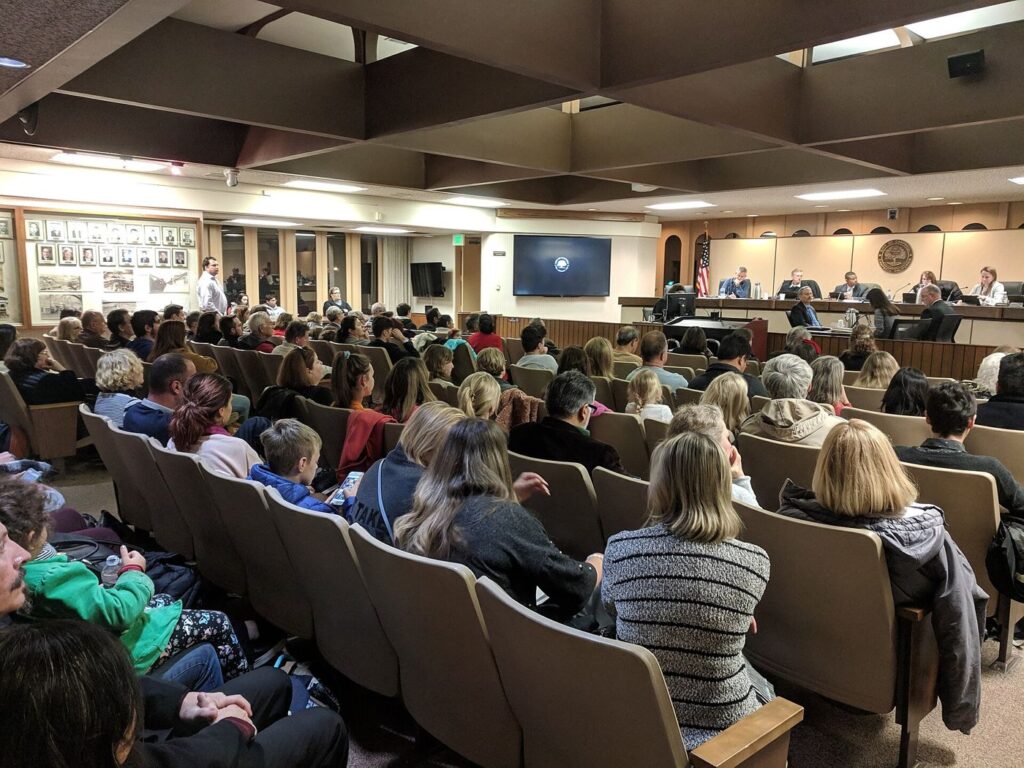
Start with what a county gives up on paper. When Howard County, Maryland considered a data center moratorium in 2026, the council’s own fiscal analysis of the bill listed the revenues that could be deferred. The list included building permit fees, development review fees, recordation and transfer taxes, property tax growth and other tax revenue.
That same analysis showed what the county already collects from its existing data center. Revenue from data processing centers was $552,176 in tax year 2025 and about $1.6 million over the three years from 2023 to 2025. The analysis also noted that a moratorium adds work for county staff, who have to screen applications, send notices and support a task force.
So the pause does not just delay new money. It costs staff time while it does it.
What full scale looks like
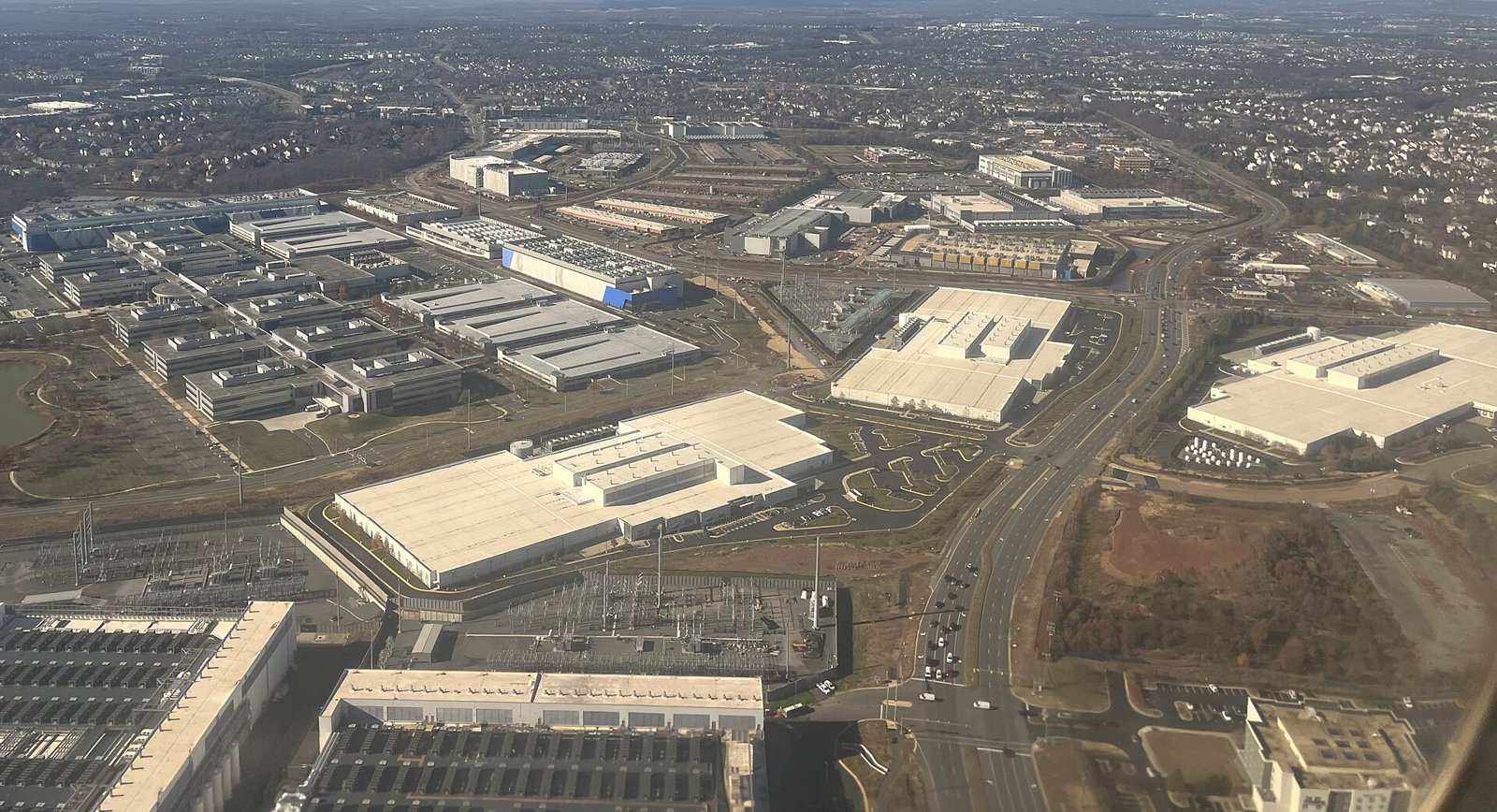
To see what is really on the table, look at a county that said yes. Loudoun County, Virginia has the largest concentration of data centers in the world, and the county explains on its data center tax revenue page what that has meant for residents.
Over the past decade, the Board of Supervisors has generally lowered the real property tax rate every year, from $1.145 per $100 of assessed value in tax year 2016 to $0.805 in tax year 2026. The county says data center revenue also let it cut the vehicle tax rate from $4.15 to $3.09 and drop the $25 vehicle license fee.
The county credits that same revenue with funding school budget increases, the Sheriff’s Office, fire and rescue, libraries, parks, child protection and mental health services, along with roads, bridges and new schools. All of that came while homeowners saw their tax rate go down, not up.
Not every county will become Loudoun. That is fine. The point is that every project a county turns away is a slice of that kind of tax base going somewhere else.
The construction work that moves on
The second cost lands on local trades. The Virginia legislature’s 2024 data center study found that a single data center building usually takes 12 to 18 months to build, with about 1,500 workers on site at the peak. Statewide, it estimated the industry supports about 74,000 jobs and $9.1 billion in GDP each year, and that most of those benefits come from the construction phase.
That detail matters. If most of the economic benefit comes during construction, then a pause hits the part of the project that pays local electricians, concrete crews, equipment operators and suppliers. Those crews do not wait around. They follow the work to the next county.
A pause is rarely just a pause
Developers pick sites based on power, land, fiber and how predictable the approval process is. A moratorium tells them the process is not predictable. Even a short pause can push a project to a site across the county or state line, and once a project breaks ground somewhere else, it is not coming back.
Residents who ask for a pause usually want something reasonable. They want clear rules on noise, setbacks, power and water. Counties can write those rules while they keep reviewing applications. Zoning standards, sound studies and utility agreements answer real concerns without shutting the door.
Weigh the whole ledger
If your county is debating a moratorium, ask for the same thing Howard County produced, a written fiscal analysis. Ask what revenue, permit fees and construction work would be deferred, and ask what happens if the projects go elsewhere. Then compare that to what good rules could accomplish without a pause.
Caution is a fair instinct. A moratorium just turns out to be an expensive way to act on it.
Image: “Data centers in Ashburn” by Theodore Christopher, via Wikimedia Commons, public domain (CC0).
#DataCenters #Moratorium #TaxRevenue #EconomicDevelopment #LocalGovernment