When a town votes down a data center, the people who fought it often feel they have stopped something. In one sense they have. That building will not go up on that parcel. But the reason the building was proposed in the first place has not gone anywhere.
Every email, video call, online bank transfer, hospital record and streaming movie still needs a server somewhere. Blocking one site does not change that. It only changes which community gets the jobs, the tax base and the say over how the project is built.
The demand keeps growing either way
Computing demand is not a passing trend. A 2024 Lawrence Berkeley National Laboratory report released by the Department of Energy found that data centers used about 4.4 percent of all U.S. electricity in 2023 and could use roughly 6.7 to 12 percent by 2028.
That growth comes from the way people and businesses already live and work. A local vote can decide where a facility goes. It cannot vote away the need for one.
What one Wisconsin village saw
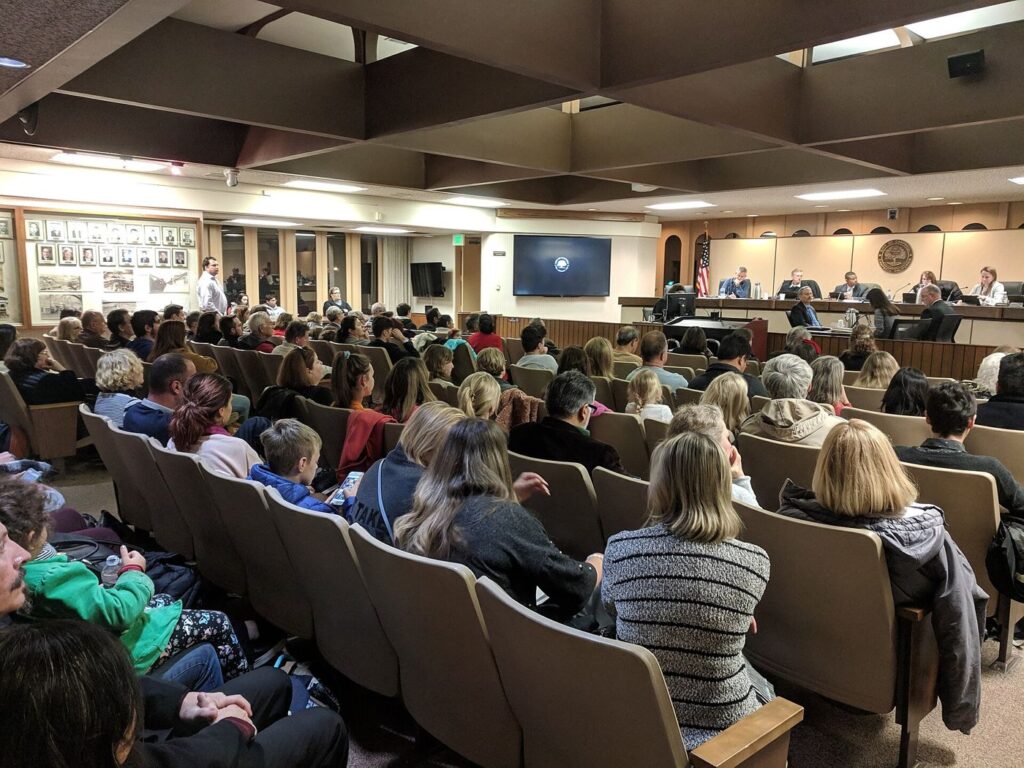
In October 2025, Microsoft dropped its plan for a 244 acre data center campus in Caledonia, Wisconsin, citing community feedback. The company said in the same statement that it remained committed to investing in Southeast Wisconsin. Racine County officials said they would work with Microsoft to find another site in the county, and the company said its projects in nearby Mount Pleasant and Kenosha were not affected.
I respect the residents who spoke up in Caledonia. They raised real questions and they were heard. But notice what actually happened. The investment did not disappear. It began looking for a new address, and the village gave up its seat at the table for whatever gets built next door.
States are competing for the same projects
This is not only a local story. The Virginia legislature’s 2024 data center study found that 34 states offer a sales tax exemption for data centers and 4 more have no sales tax at all. Every state that borders Virginia offers one. Data center companies told the study that the exemption is a key factor in where they build.
The same study made a point every local official should hear. If data center growth slowed in Virginia, it could shift to other states in the same regional power market, and energy prices across the region could still rise. In other words, a state can turn the projects away and still feel the demand on the grid, without collecting the tax revenue.
What a community gives up when the project moves
The study estimated that the industry supports about 74,000 jobs, $5.5 billion in labor income and $9.1 billion in GDP in Virginia each year. Industry representatives told the study that a typical 250,000 square foot data center puts about 1,500 workers on site at the height of construction and employs around 50 people once it opens.
When a project moves across a county or state line, those paychecks, contracts and property tax payments move with it. The neighboring jurisdiction gets the revenue for its schools and roads. The community that said no often still sees the trucks on the highway and the transmission lines serving the region.
A better question than yes or no
None of this means a county should approve every proposal that comes in. Some sites are wrong for a data center, and good planning says so. The better question is not whether data centers should exist. It is how to bring them in on terms that work for the people who live there.
That means clear zoning rules, sound and water standards, fair utility rates and honest answers early in the process. Communities that set those terms keep their influence and their tax base. Communities that simply say no give both away and keep the demand.
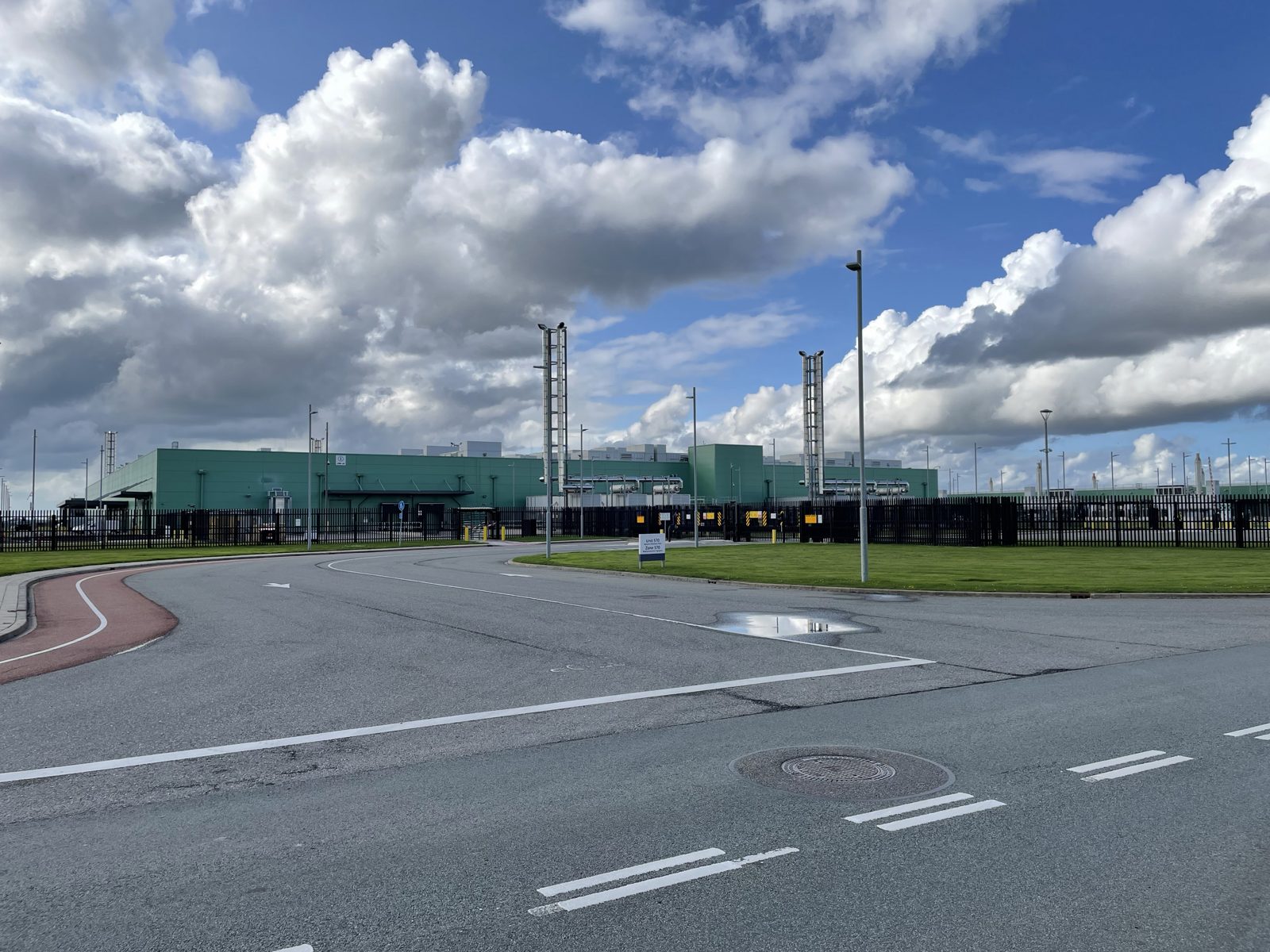
Image: “Microsoft Data Center Middenmeer, the Netherlands” by Hay Kranen, via Wikimedia Commons, CC BY 4.0.
#DataCenters #EconomicDevelopment #Infrastructure #LocalGovernment #SiteSelection