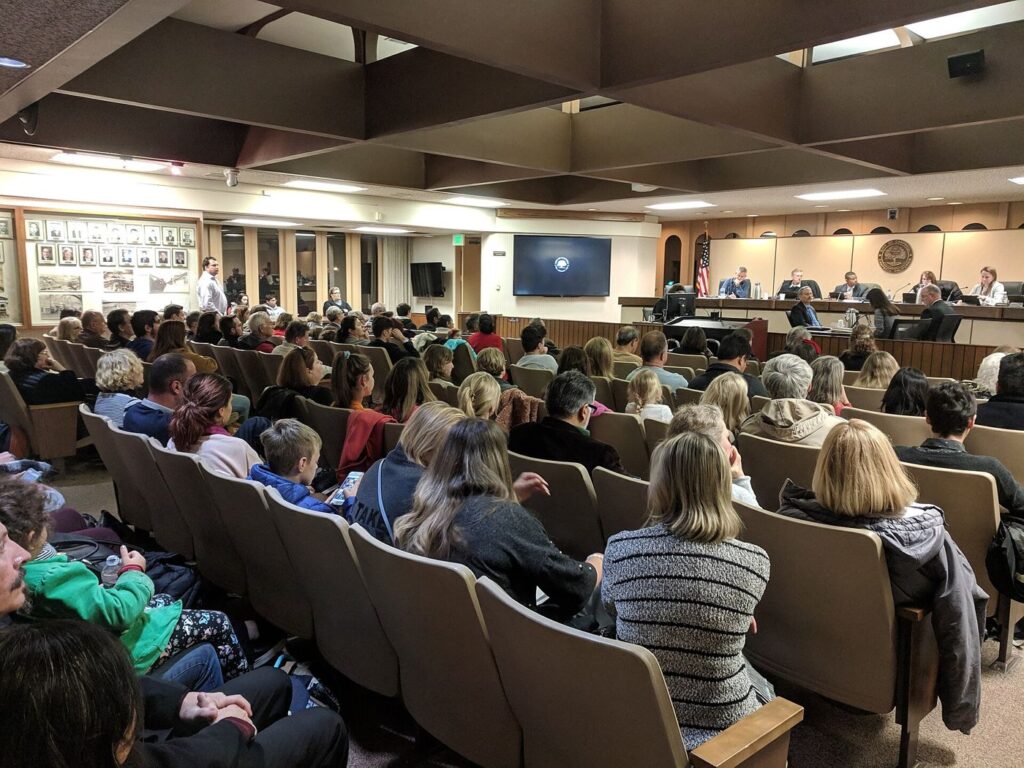
When a data center proposal reaches a public hearing, the same three worries come up almost every time. Will it strain the grid? Will it drain our water? Will we hear it from our backyards? These are fair questions. Residents deserve straight answers, not slogans from either side.
So here is what the public record actually says. Much of it comes from the Virginia legislature’s 2024 review of the industry, which studied the largest data center market in the world.
Power demand is real, and it can be planned for
Data centers use a lot of electricity. Nobody serious disputes that. A 2024 Lawrence Berkeley National Laboratory report released by the Department of Energy found that data centers used about 4.4 percent of all U.S. electricity in 2023 and could use roughly 6.7 to 12 percent by 2028.
What residents usually want to know is whether their own bills will pay for it. The Virginia legislature’s data center study commissioned an independent review of utility rates and found that data centers are currently paying their full cost of service. The study was also candid that fast growth will add new generation and transmission costs, and it pointed to fixes such as a separate data center customer class and updated cost allocations to protect households.
That is the honest answer. Growth has to be planned and priced fairly. It is a rate design problem with known tools, not a reason to turn projects away. The study also noted that utilities and grid operators already have ways to protect reliability, including delaying a new large customer until enough capacity is in place.
Water use is usually smaller than people think
Water is where fear and fact drift furthest apart. The same study found that most data centers use about the same amount of water as an average large office building, or less. A few use substantially more, and some use less than a typical household. The difference comes down to size, computing density and the type of cooling system.
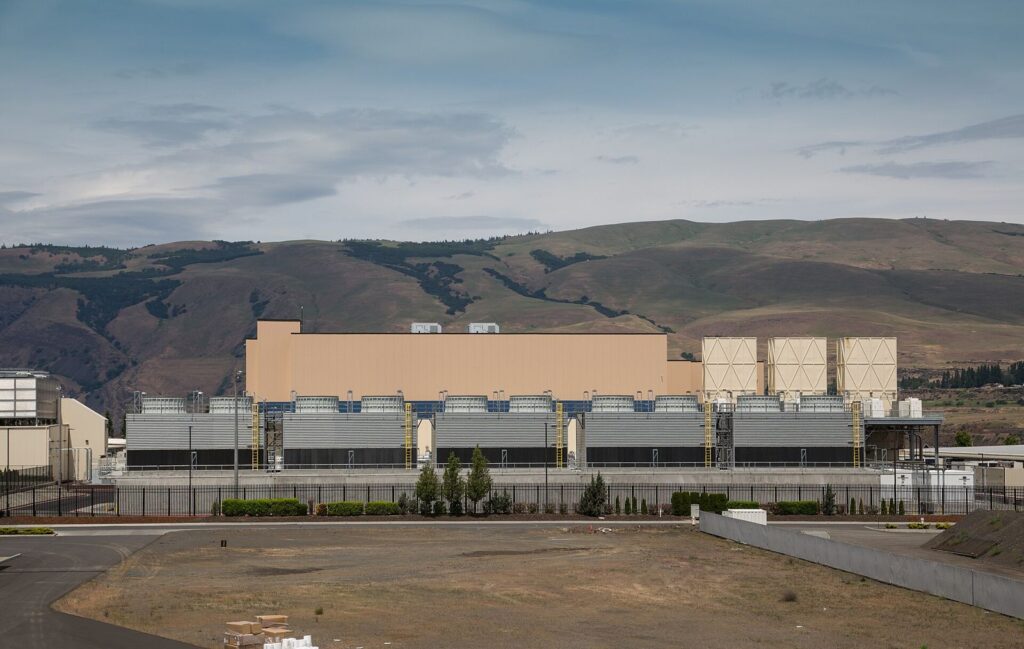
That last point matters for anyone reviewing a site plan. Some cooling designs evaporate water to carry heat away, and others recirculate it in a closed loop. In places where water is tight, a county can ask which system a project will use and make it part of the approval. In Virginia, state regulators already require permits for large water withdrawals.
Noise is a siting and design question
Noise is the concern I take most seriously, because some residents have had real problems with it. The study found that data centers give off a constant low-frequency sound that is not loud enough to damage hearing and rarely loud enough to break a noise ordinance. Some neighbors living close to certain facilities still report that the steady hum affects their well-being.
The study also found that a large majority of data centers draw no noise complaints at all, because of where they sit or how they are designed. The problems trace back to sites placed right next to homes, often because local zoning did not treat data centers as an industrial use.
The fixes are practical. Require sound modeling before approval. Set maximum sound levels in the zoning ordinance instead of relying on a nuisance rule written for parties and barking dogs. Use setbacks, screening walls and quieter rooftop equipment.
What about the backup generators?
Nearly every data center keeps diesel generators on site for outages, and people reasonably ask about air quality. The study found the generators run mostly for maintenance testing, and that in Northern Virginia they account for less than 4 percent of regional nitrogen oxide emissions and 0.1 percent or less of carbon monoxide and particulate matter. State permits limit when and how long they can run.
Answer the question, then keep building
Every one of these concerns has a real answer, and most of those answers already live in permits, zoning rules and utility rates. A county that wants good projects can ask for sound studies, cooling details, setbacks and a fair rate structure, and then approve the projects that meet them.
Fear grows when questions go unanswered. Facts work better, and they are on the public record for anyone who wants to look.
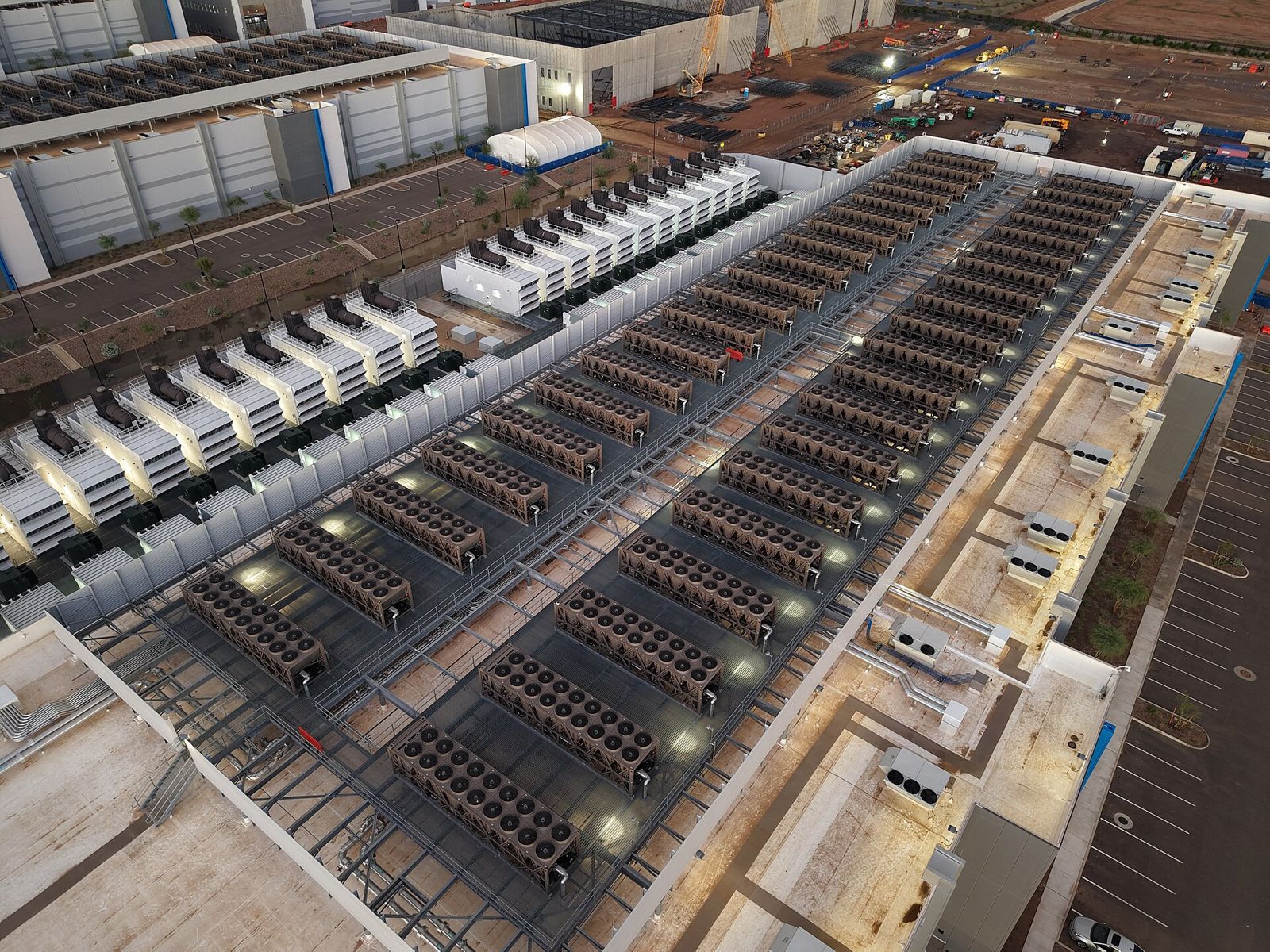
Image: “Data center roof” by Rsparks3, via Wikimedia Commons, public domain (CC0).
#DataCenters #Energy #Water #Infrastructure #LocalGovernment