Modular and offsite factories attract investor interest for good reasons. Housing shortages, skilled labor gaps, and the push for faster delivery all point toward more building in factories. Yet the sector has a long history of plants that opened with high hopes and closed within a few years.
For private equity and other investors, the difference between a strong plant and a struggling one usually comes down to a handful of factors that can be checked during diligence.
Demand you can see
Start with the order book. A factory is a fixed cost machine, and it only makes money when it runs near its planned output. Look at signed contracts, the pipeline behind them, and how concentrated that pipeline is. A plant that depends on one developer or one program is exposed if that customer pauses.
Ask how the plant wins work. Does it sell directly to developers, partner with general contractors, or build its own projects? Each model has different risks and different margins.
Throughput and operations
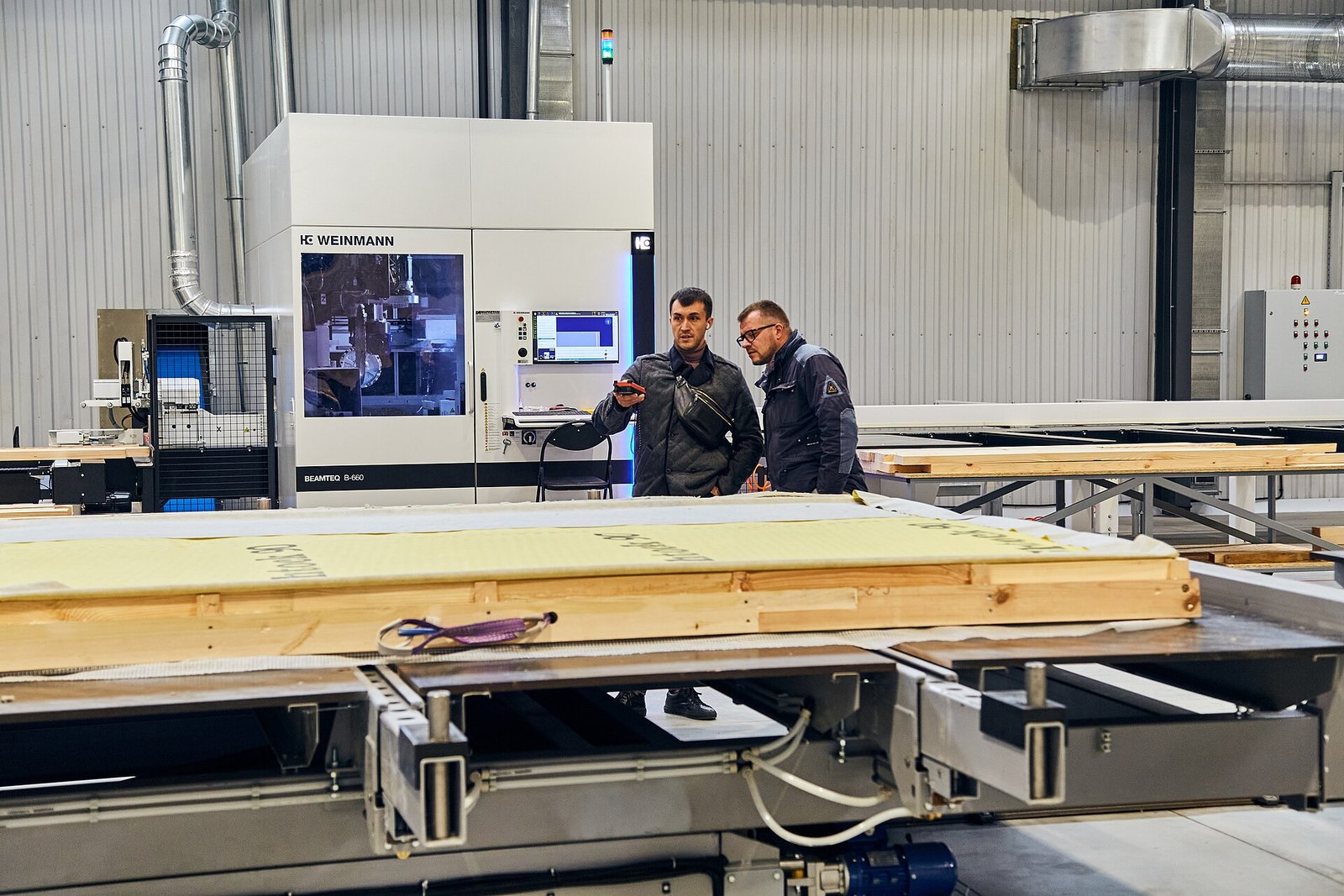
Visit the plant and watch it run. Measure how many modules or panels it produces in a typical week against its stated capacity. Look at labor productivity, rework rates, and how much material is wasted.
Ask how production changes when designs vary. Many plants run well on repeated products and struggle when every project is different. Find out how much engineering time each new project needs, and whether the plant charges for it.
Review the equipment and the layout. Automation can raise output and consistency, but it also raises fixed costs. Make sure the level of automation fits the volume the plant can realistically sell. Ask what share of output goes to repeat customers, since repeat work usually runs faster and with fewer surprises than a series of one-off projects.
Management and people
Strong plant leadership is often the deciding factor. Look for managers who have run manufacturing operations, not only construction companies. Check turnover among factory workers and supervisors, and how the plant trains new staff.
The sales and preconstruction team matters as much as the production team. They decide which projects the plant takes on and how they are priced. Poorly scoped projects are a common cause of losses.
Working capital and contract terms
Factories buy materials and pay workers long before modules are delivered and paid for. Study the payment terms in customer contracts, including deposits, progress payments, and retainage. Look at how the plant handles change orders and delays caused by customers or site conditions.
Weak contract terms can leave a busy factory short of cash. Make sure the business plan includes enough working capital to cover slow payments and project delays.
Regulatory and market risk
Check the plant’s approvals in each state where it ships, and the cost and time to gain new approvals. Transport distance limits the market a plant can serve economically, so map the realistic delivery radius against regional demand.
Consider how sensitive demand is to interest rates and housing cycles. A plant that serves several sectors, such as housing, hospitality, and education, may weather a downturn better than one tied to a single market.
Investing in a modular factory is an operating bet, not just a market bet. Underwrite visible demand, real throughput, experienced manufacturing leadership, sound contract terms, and enough working capital. Plants that get those basics right have a much better chance of turning strong market interest into lasting returns.
Image: HutJet, via Wikimedia Commons, CC BY-SA 4.0