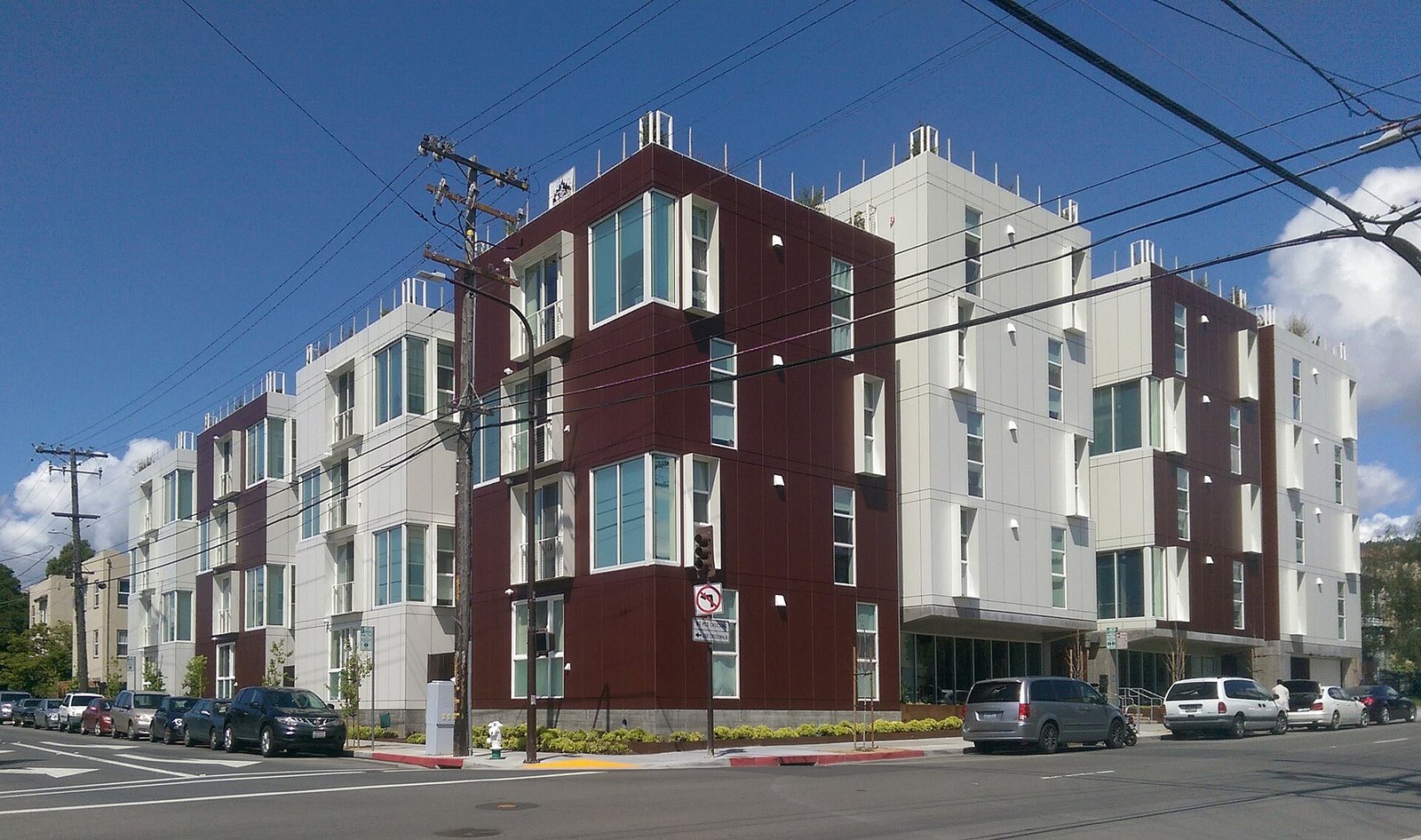
Multifamily housing is where modular construction makes the most sense on paper. Apartment buildings repeat the same unit types floor after floor, and repetition is what a factory does best. Workforce housing adds another reason. Rents are capped by what teachers, nurses, and service workers can pay, so every month of schedule and every dollar of construction cost matters more than it does on a luxury project.
That does not mean every multifamily deal belongs in a factory. It means the product type gives modular a fair shot, and the developer’s early decisions decide whether that shot lands.
Why apartments fit the factory
A typical apartment building is a stack of boxes with kitchens and bathrooms in predictable places. A factory can build those boxes on a line, with framing, drywall, cabinets, plumbing, and finishes installed indoors while the site crew prepares the foundation. The two streams of work run at the same time instead of one after the other.
The payoff shows up in three places. Construction loan interest stops growing sooner because the building opens sooner. Lease-up starts earlier. And the general contractor needs a smaller field crew, which matters in markets where skilled trades are hard to find.
Design for the box from day one
The biggest mistake developers make is designing a site-built building and then asking a manufacturer to cut it into modules. The result is awkward unit layouts, wasted floor area, and modules that are too wide or too long to ship.
Bring the manufacturer in at the concept stage. Let the unit plan follow the module grid. Keep wet walls stacked so plumbing runs straight down through the building. Limit the number of unit types, because every new type means new jigs and slower production. A building with a handful of well-designed unit types will almost always beat one with dozens of variations.
Where workforce housing gets tricky
Workforce projects often rely on public money, tax credits, or local housing programs. Each source comes with its own rules on wages, inspections, and draw schedules, and some were written with site-built projects in mind.
Ask early how the funding source treats factory work. Some programs need prevailing wage paid in the factory as well as on site. Some lenders will not release money for modules until they are set on the foundation, which leaves the manufacturer carrying a large share of the cost. Sort out the deposit and payment schedule before you sign the factory contract, not after.
Local approvals deserve the same attention. Confirm whether your state runs a modular program with third-party plan review, and what the local building department still inspects on site.
Getting the numbers right
Modular rarely wins on the hard cost line alone. Module prices often look similar to or higher than site-built framing and finishes. The savings come from a shorter schedule, lower interest carry, earlier rent, and fewer weather delays.
Model the deal both ways with the same assumptions. Include transport, crane time, set crews, and the site work for stitching modules together. Then compare total project cost and the date the first tenant moves in. That comparison tells you whether the factory route pays for your project.
Multifamily and workforce housing are strong candidates for modular because they reward repetition and speed. The developers who succeed treat the factory as a design partner from the start, settle funding rules early, and judge the deal on total project cost and time to occupancy rather than the module price alone.
Image: Alfred Twu, via Wikimedia Commons (CC0)