Most debates about data centers focus on what a project might cost a community. Far less time goes to what it pays. That is a mistake, because in the places that already host these buildings, the tax checks are large and the records of how that money gets spent are public.
This post looks at what those records say. I will stick to what counties and state auditors have written down themselves.
A large tax bill with a light footprint
A data center pays property tax on its land and building, like any business. It also pays business personal property tax on the servers and equipment inside, and that equipment is often worth more than the building. Because servers are typically replaced about every five years, that tax base keeps getting renewed instead of fading away.
The Virginia legislature’s 2024 data center study found that data center revenue ranged from less than 1 percent to 31 percent of total local revenue in the five Virginia localities with mature markets. In fiscal year 2023, data centers accounted for 31 percent of Loudoun County’s total local tax revenue and 7 percent of Prince William County’s.
The same study noted why local staff like this kind of revenue. Data centers employ relatively few people compared with manufacturing or logistics, so they place little demand on roads, schools and other services. The county collects the taxes without having to build a new school for the facility’s workforce.
Where the money goes in Loudoun County
Loudoun has the largest concentration of data centers in the world, and the county explains on its own data center tax revenue page what that money has done. The board has generally lowered the real property tax rate every year, from $1.145 per $100 of assessed value in tax year 2016 to $0.805 in tax year 2026. The county says that rate is the lowest in Northern Virginia.
The same page credits data center revenue with funding school budget increases of tens of millions of dollars year over year, along with the Sheriff’s Office, Fire and Rescue, libraries, parks, mental health services and capital projects such as schools, roads and bridges. It also helped the board cut the vehicle personal property tax rate from $4.15 to $3.09 per $100 for tax year 2026 and drop the $25 vehicle license fee.
To be fair, the county also points out that individual homeowner bills have varied as home values rose. But the scale is hard to ignore. The revenue section of Loudoun’s adopted fiscal 2027 budget shows about $417.7 million in real property taxes from data centers alone, and that figure does not include the larger tax on the computer equipment inside them.
It is not only Northern Virginia
The state study asked staff in the five counties with the most data centers how the revenue had helped. Their answers were practical. Loudoun and Prince William used it to lower real estate tax rates and build reserve funds. Henrico County used it to start an affordable housing trust fund. Mecklenburg County in Southside Virginia used it to build new schools.
That last example matters. In a rural county, a data center can bring the kind of tax base it could never get from housing growth alone, without the traffic and service costs that usually come with growth.
Local choices shape the payoff
Not every county collects the same amount. The study showed that for a data center with $150 million in taxable computer equipment, Virginia counties could collect anywhere from about $10.8 million down to $0.4 million over five years, depending on their tax rates and depreciation schedules. Some counties cut their equipment tax rate deeply to compete, and they collect far less as a result.
That is a decision for each community, and it deserves an open debate. What should not be up for debate is whether the revenue is real. The budgets show that it is.
The question residents should ask
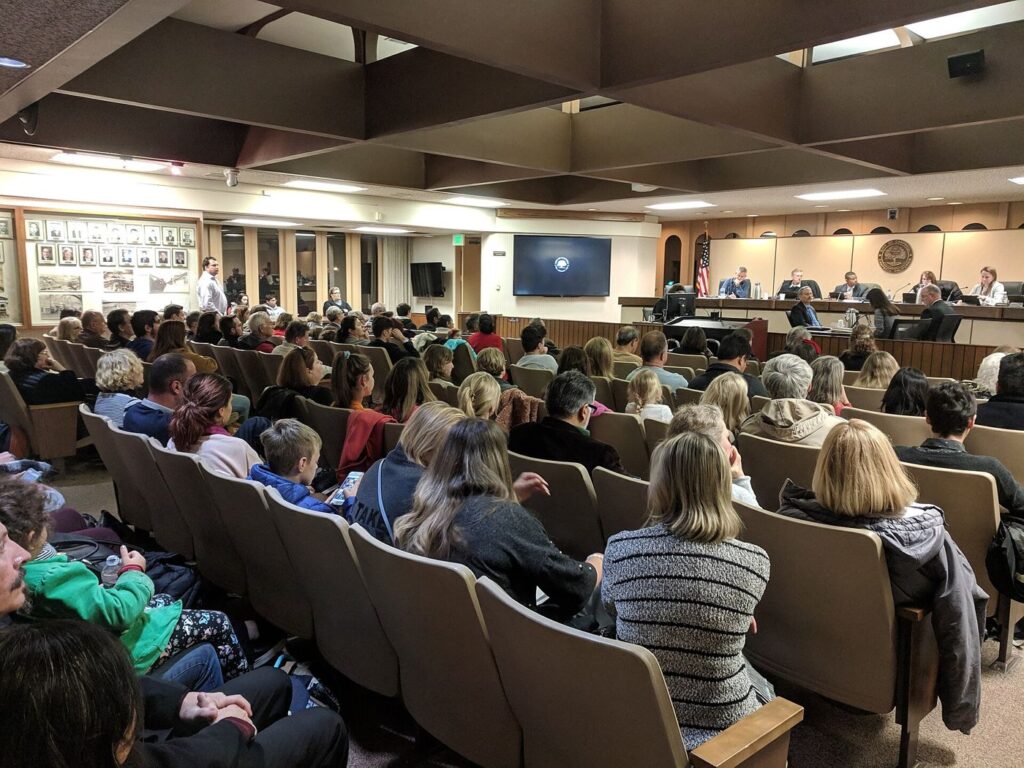
When a proposal comes before a county board, residents have every right to ask about noise, water and power. They should also ask what the project will pay each year and what the county plans to do with it. Lower tax rates, new schools and better funded public safety are not abstract promises in the places that said yes. They are line items in adopted budgets.
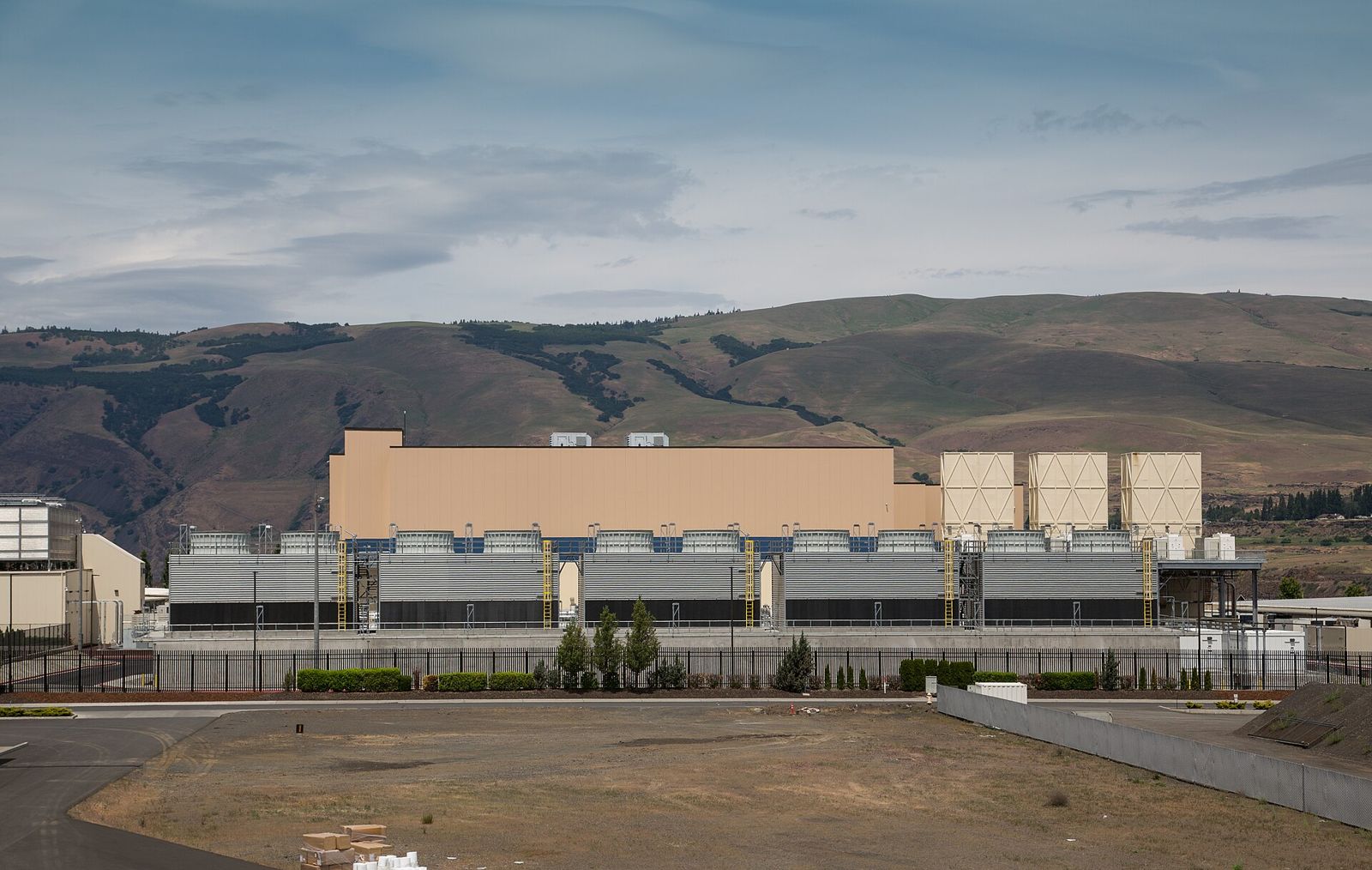
Image: “Google Datacenter – The Dalles, Oregon” by Tony Webster, via Wikimedia Commons, CC BY 2.0.
#DataCenters #TaxRevenue #LocalGovernment #EconomicDevelopment #PublicBudget