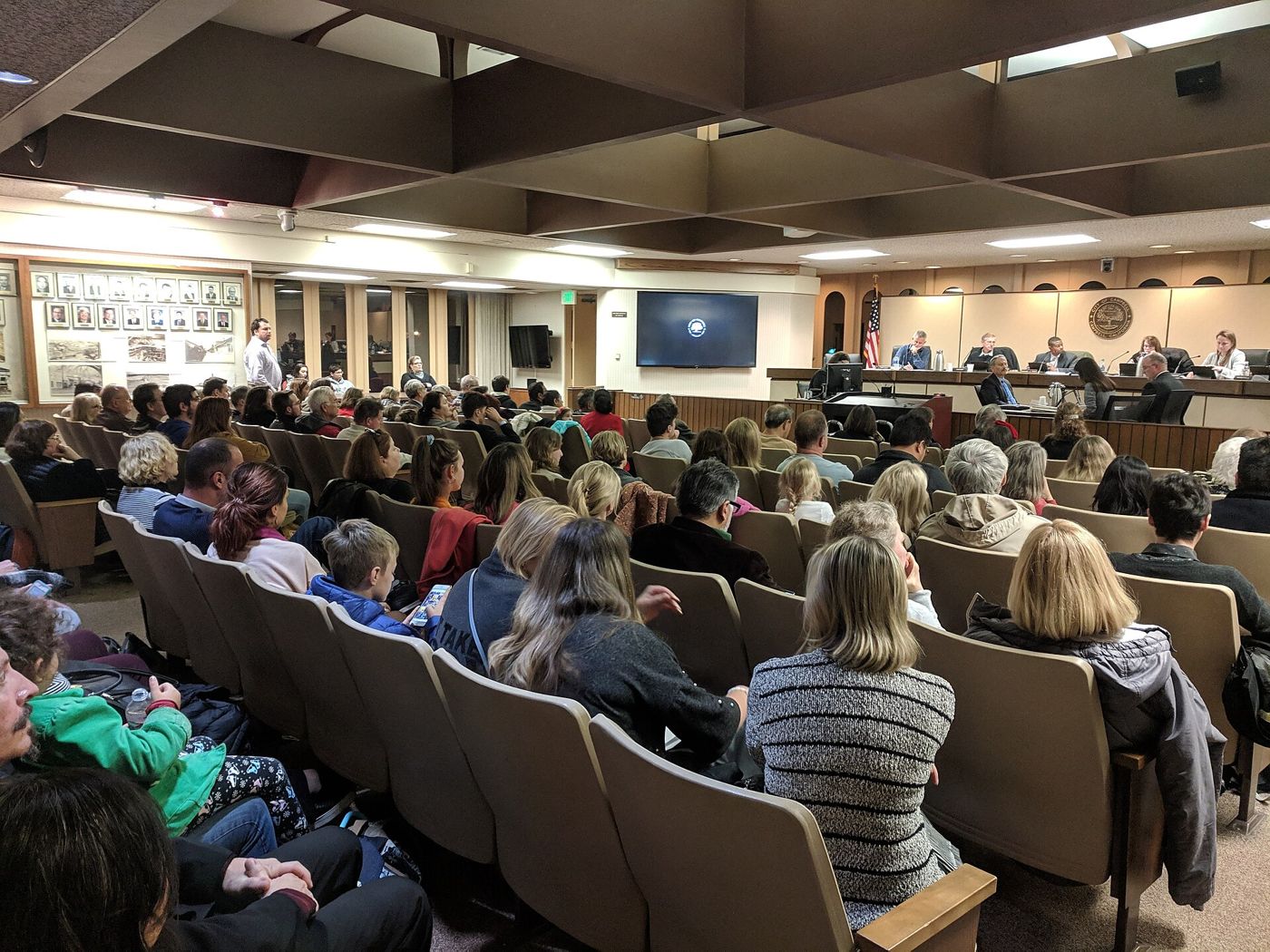
Plenty of data center proposals that should have passed have died in a packed hearing room. The power plan was sound, the tax numbers were real, and the site made sense. What went wrong was the order of events. Residents learned about the project from a rumor or a legal notice, and by the time anyone explained it, the room had already decided.
That outcome is avoidable. Trust is built in the months before a hearing, not in the three minutes a developer gets at the microphone. This post lays out a practical approach for developers and local officials who want good projects judged on their merits.
Why the order of events matters
People react to surprise with suspicion, and that is a reasonable human response. When a large project appears with no warning, neighbors fill the gap with the worst version they can find online. Facts that arrive later sound like spin.
The National Association of Counties puts this plainly in its guidance on benefits agreements. Its list of things to avoid includes surprising constituents with a project already underway and waiting until a developer arrives to begin planning. Its list of things to do starts with open, early and transparent communication.
That advice applies to both sides of the table. A developer who goes quiet until the application is filed is asking for trouble. So is a county that has never talked with residents about what kind of growth it wants.
Start the conversation before the application
The best time to meet neighbors is before the site plan is final, when their input can still change something. Hold small meetings near the site, not one big session in a distant government building. Bring the engineers who designed the power, cooling and sound systems, not only a public relations team.
Put the basics in writing and post them where anyone can read them. That means the expected power demand, the water source, the number of backup generators and how often they will be tested, the construction schedule, and the truck routes. If a number is still being worked out, say so and give a date when it will be known.
Sound deserves special attention because it is the concern neighbors live with every day. The Virginia legislature’s data center study recommended that localities require sound modeling for projects near homes. It noted that many companies already do this, and that fixing noise after a building opens is difficult and expensive. Sharing that study early, along with the baseline noise readings it includes, answers a fear with evidence.
Put commitments in a community benefit agreement
Promises made at a podium fade. Commitments written into a signed agreement do not. A community benefit agreement turns general goodwill into specific terms such as road repairs, school or workforce funding, local hiring goals, noise limits and regular public reporting.
The University of Kentucky’s toolkit on data center benefit agreements offers a sensible sequence. Communities should organize and set priorities in public before an offer arrives, insist on specific and measurable commitments, and publish the draft and hold a public session before signing. It also recommends naming who will monitor compliance from day one.
Developers should welcome this. A clear agreement gives the community something real to point to, and it gives the company a defined set of obligations instead of a moving target.
Give honest answers, including hard ones
Residents can tell when they are being managed. If a facility will be visible from the road, say so and show the landscaping plan. If construction will bring heavy truck traffic for a period of months, give the schedule and the routes. If water use depends on the cooling design, explain the choice that was made and why.
Respect goes a long way here. Most people who show up at a hearing are not against progress. They are protecting their homes, and they deserve straight answers instead of a sales pitch. Treating their questions as legitimate is often what turns a skeptic into a neutral voice.
Keep good projects moving
None of this slows a good project down. It does the opposite. Early outreach, written commitments and honest answers remove the uncertainty that pushes boards toward delays and moratoriums. Communities that know what they are getting can say yes with confidence, and that is how the tax base, the jobs and the infrastructure actually arrive.
Image: “Planning Commission meeting in Campbell, California” by Grendelkhan, via Wikimedia Commons, CC BY-SA 4.0.
#DataCenters #CommunityEngagement #Zoning #EconomicDevelopment #LocalGovernment